What if scientists could switch specific brain cells on and off using light? It sounds like science fiction, but a research method called optogenetics is helping scientists investigate how the brain works.
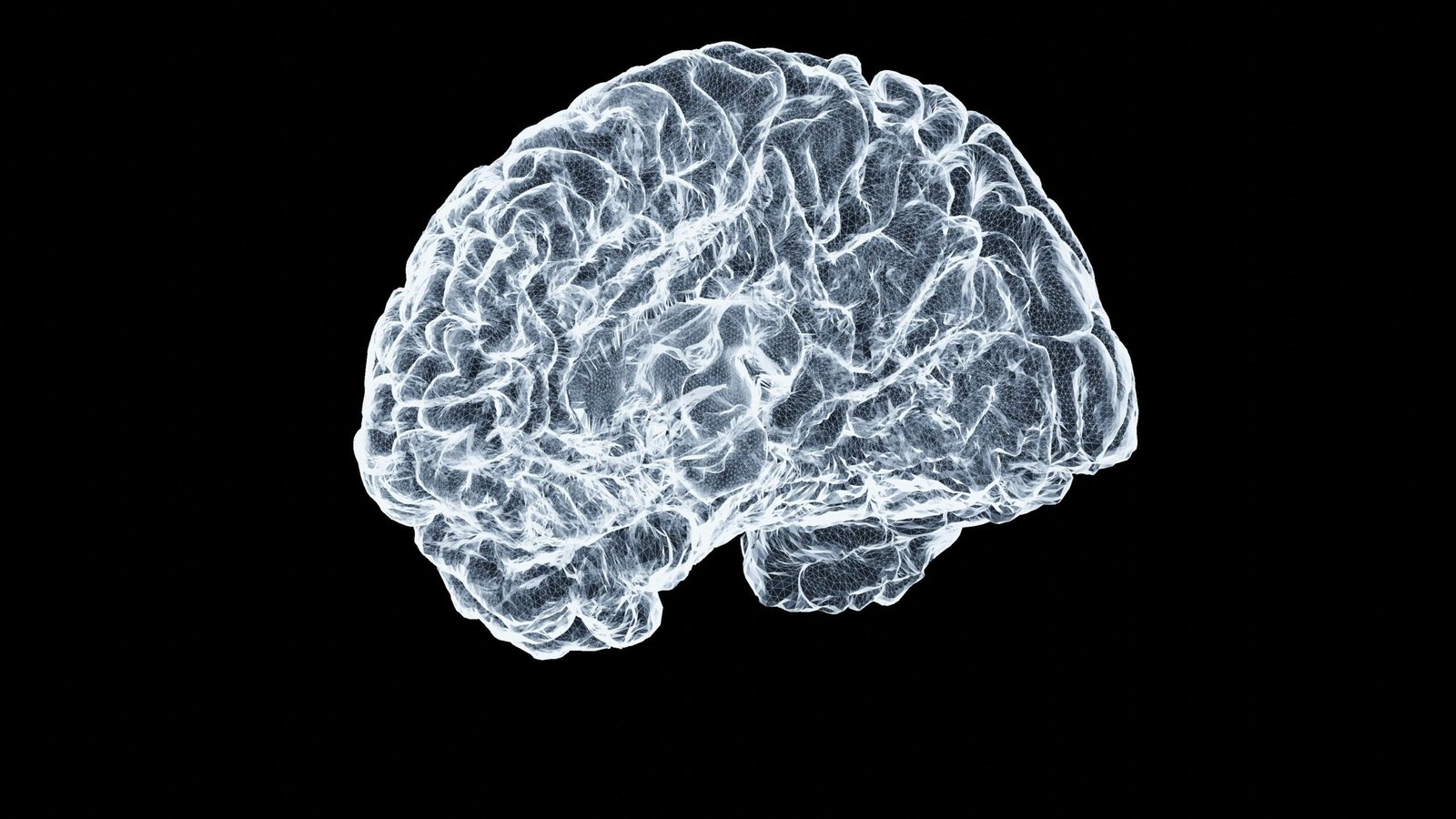
What is optogenetics?
Your brain works through networks of communicating cells called neurons. They send messages using electrical and chemical activity. Optogenetics combines light-sensitive proteins with methods that let researchers use light to influence selected neurons and study what those cells do.
Why study brain disorders?
Scientists sometimes need to understand how a specific brain circuit contributes to an activity or behavior. Optogenetics gives researchers a precise way to investigate those circuits and explore biological mechanisms that may be involved in neurological and psychiatric conditions.
Could it help researchers understand epilepsy?
Researchers can use optogenetics in experimental settings to investigate how particular neural circuits influence seizure activity. This may improve understanding of some mechanisms involved in epilepsy. Important: optogenetics is a research tool, not an established routine treatment for epilepsy.
What about Parkinson’s disease?
Parkinson’s disease affects movement and is associated with the loss of dopamine-producing neurons. Optogenetics helps researchers investigate how selected brain circuits contribute to movement and how those circuits respond to stimulation. It is not an established cure for Parkinson’s disease.
Could this research lead to future treatments?
Possibly, but important questions remain. Scientists need to understand safety, precision, long-term effects, and whether findings from laboratory studies can translate into useful approaches for people. A promising discovery is a reason to investigate further—not proof that a treatment already works.
The takeaway
Light is helping scientists ask new questions about neurons and the circuits that connect them. As researchers learn more about these systems, they may better understand the mechanisms behind brain disorders. Research progress takes time, careful testing, and evidence.
Join the conversation
Which topic should we explain next: epilepsy, Parkinson’s disease, or how memory works? Leave your choice in the comments, save this post, and share it with someone who loves science.
Follow LeanNestFit for simple, evidence-based health education.
Social caption: Can light help scientists understand brain disorders? 🧠🔬 Optogenetics uses light-sensitive proteins to influence selected brain cells in research settings. Scientists are using this technique to investigate neural circuits and explore mechanisms that may contribute to conditions such as epilepsy and Parkinson’s disease. A research breakthrough is not the same as an approved medical treatment—there is still much to learn. Knowledge grows one discovery at a time.
#LeanNestFit #BrainScience #Optogenetics #Neuroscience #BrainHealth #HealthEducation #MedicalResearch