Ebola Explained: What It Is, Why It's Spreading, and What the New Vaccine News Means
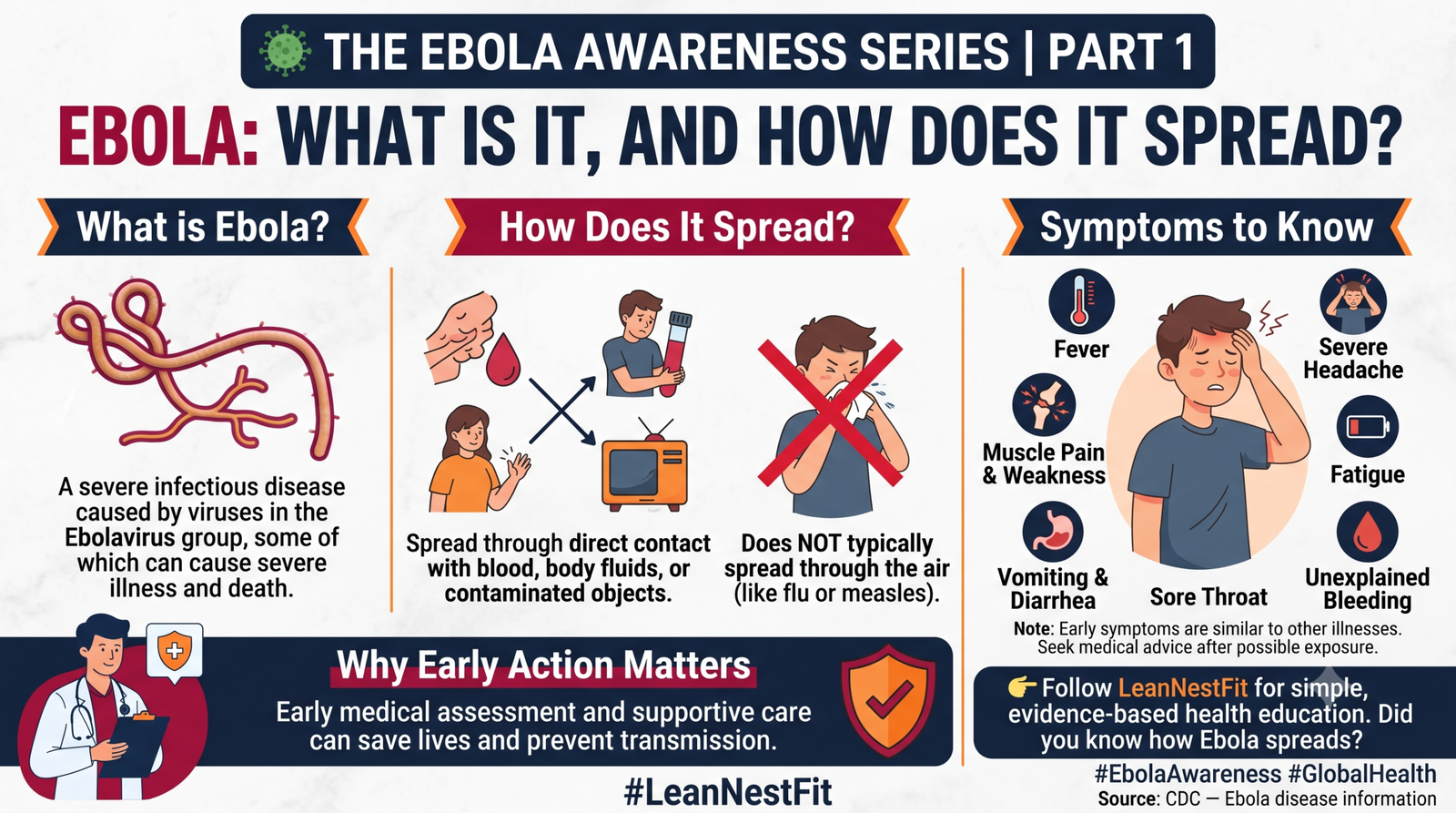
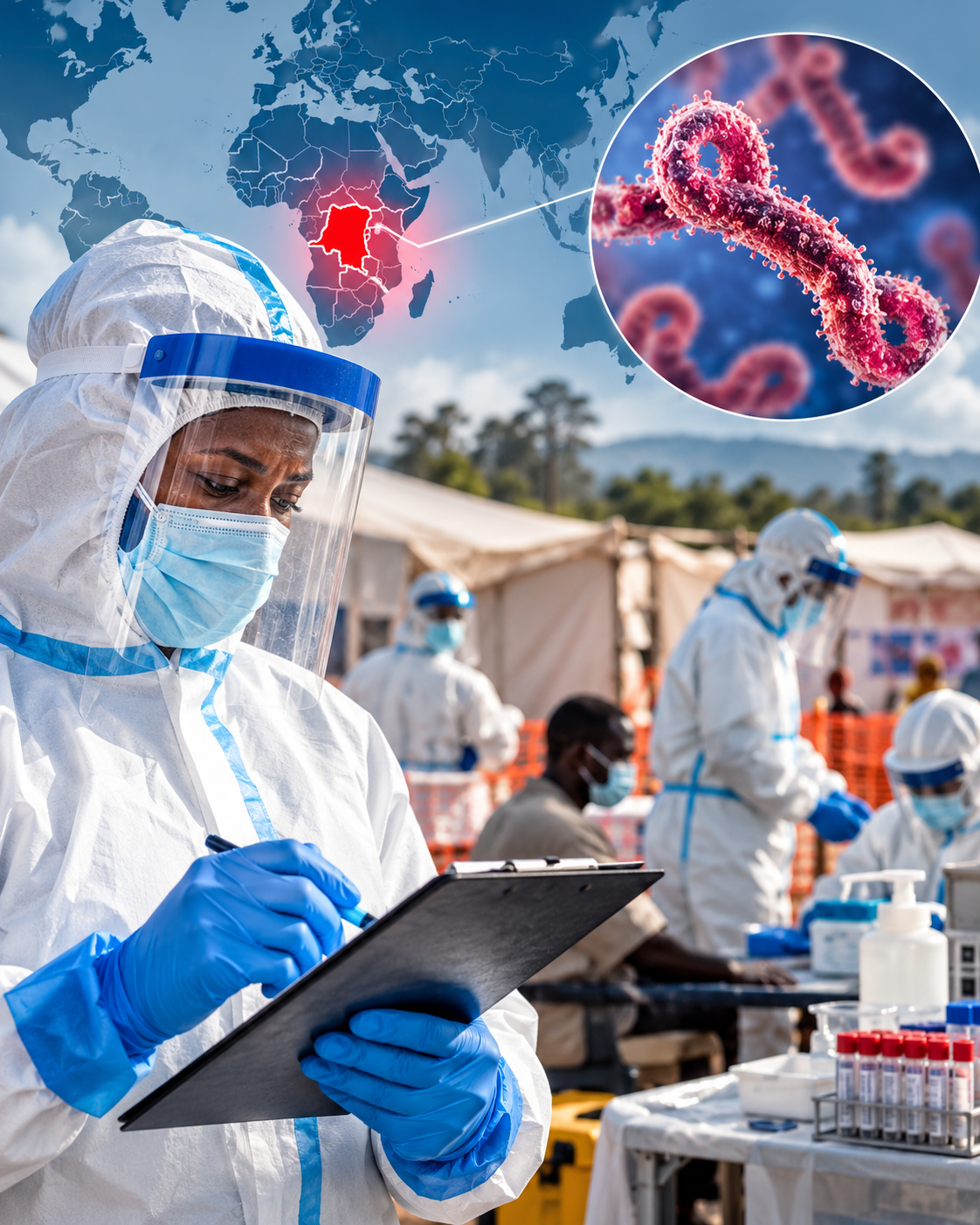
What is Ebola?Ebola is a rare but severe, often fatal illness caused by a group of viruses. Several species can infect people, including Zaire, behind the 2014–2016 West Africa epidemic, and Bundibugyo, behind the current outbreak.Where it comes from: Ebola viruses start in wildlife. Fruit bats are believed to be the natural reservoir, and people can be infected through contact with infected animals.Symptoms: It begins like many common infections, with fever, headache and muscle pain. It can then progress to vomiting, diarrhoea and, in many fatal cases, internal or external bleeding.Incubation: Symptoms usually appear 2 to 21 days after infection, and people are generally not contagious until symptoms begin.How deadly: Earlier Bundibugyo outbreaks had fatality rates of roughly 30% to 50%.Not airborne: Ebola is not a respiratory virus, and experts do not consider it to have pandemic potential.Where things stand: The outbreak was first detected in Ituri Province, eastern DRC, with imported cases confirmed in Uganda. WHO declared it a Public Health Emergency of International Concern in mid-May 2026. As of 6 June, WHO had reported 515 confirmed cases in the DRC, and numbers have kept changing since, so check WHO's latest update before quoting figures. WHO rates the risk as very high in the DRC, high in Uganda and neighbouring countries, and low globally.e your paragraph here
What happened?
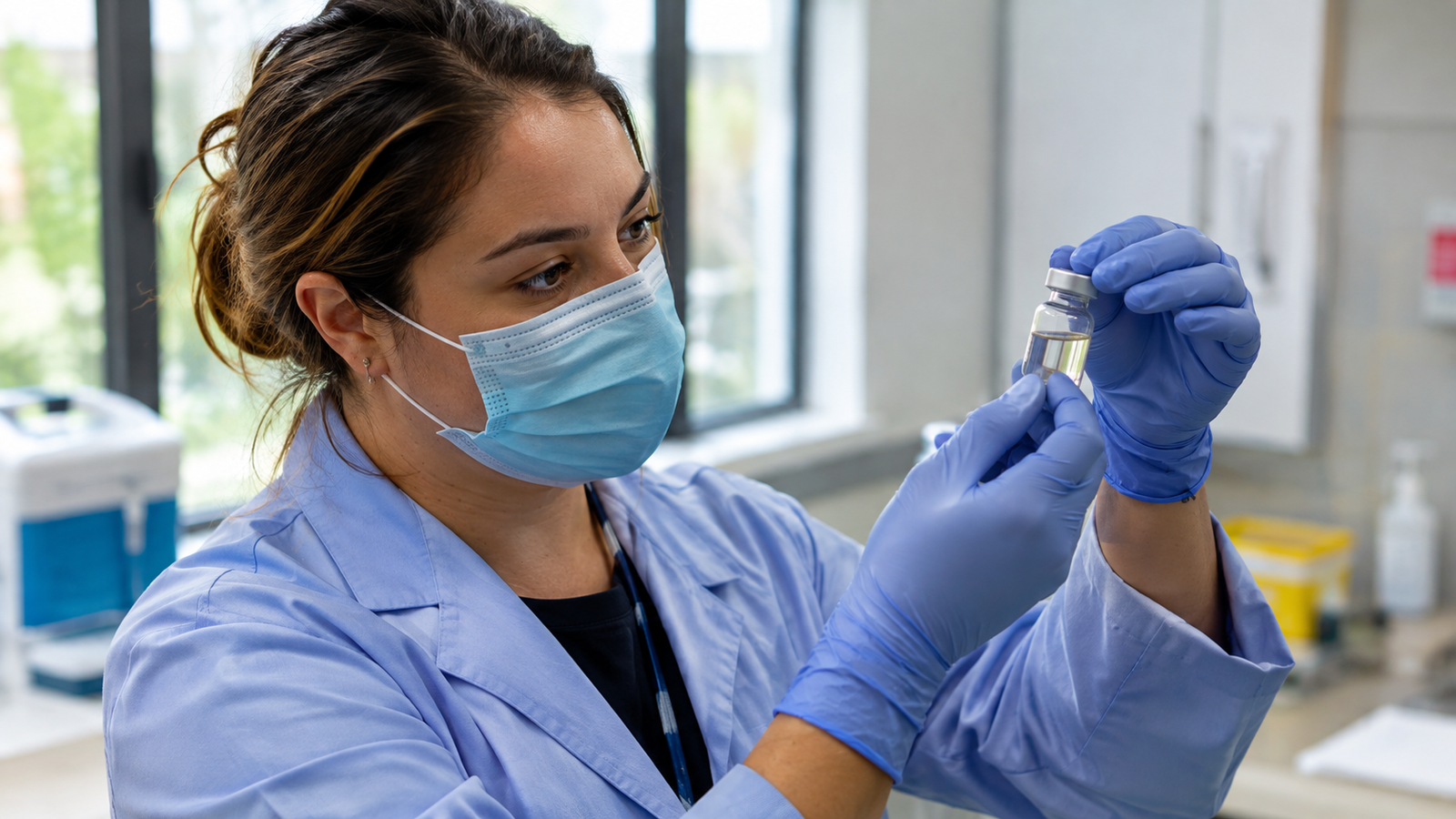
On 4 November 2026, the World Health Organization announced that expert groups recommended adding two new vaccine candidates to the ongoing Tumaini clinical trial in the Democratic Republic of the Congo (DRC): • ChAdOx1, developed by the University of Oxford with the Serum Institute of India • mRNA-1469, developed by Moderna.
What about treatment?
Research is moving on this front too. The PARTNERS trial, launched in July, is testing the antibody MBP134, the antiviral remdesivir's, or both together for patients with confirmed infection. Another antibody, amatuximab, will soon be added, and a separate study is testing a post-exposure preventive drug (obeldevisir).
Should you be worried?
For most people outside the affected region, the risk is very low. Ebola spreads through direct contact with the body fluids of a person who is sick or has died from the disease, not through casual contact. Sensible steps include: • Rely on trusted sources (WHO, CDC) rather than viral social posts • Check CDC travel notices before any international travel • Wash your hands regularly, which helps against many infections • Keep your routine vaccinations up to date, and talk to your doctor about what's right for you.